All over the world, there are populations that are living longer. Aging is a natural process that affects everyone. We as a whole have experienced a remarkable shift in life expectancy as a result of advances in medicines, improved living standards, increased knowledge of nutrition and health. Research suggests that lifestyle choices can significantly impact the rate and quality of aging.
Here are some key findings and recommendations:
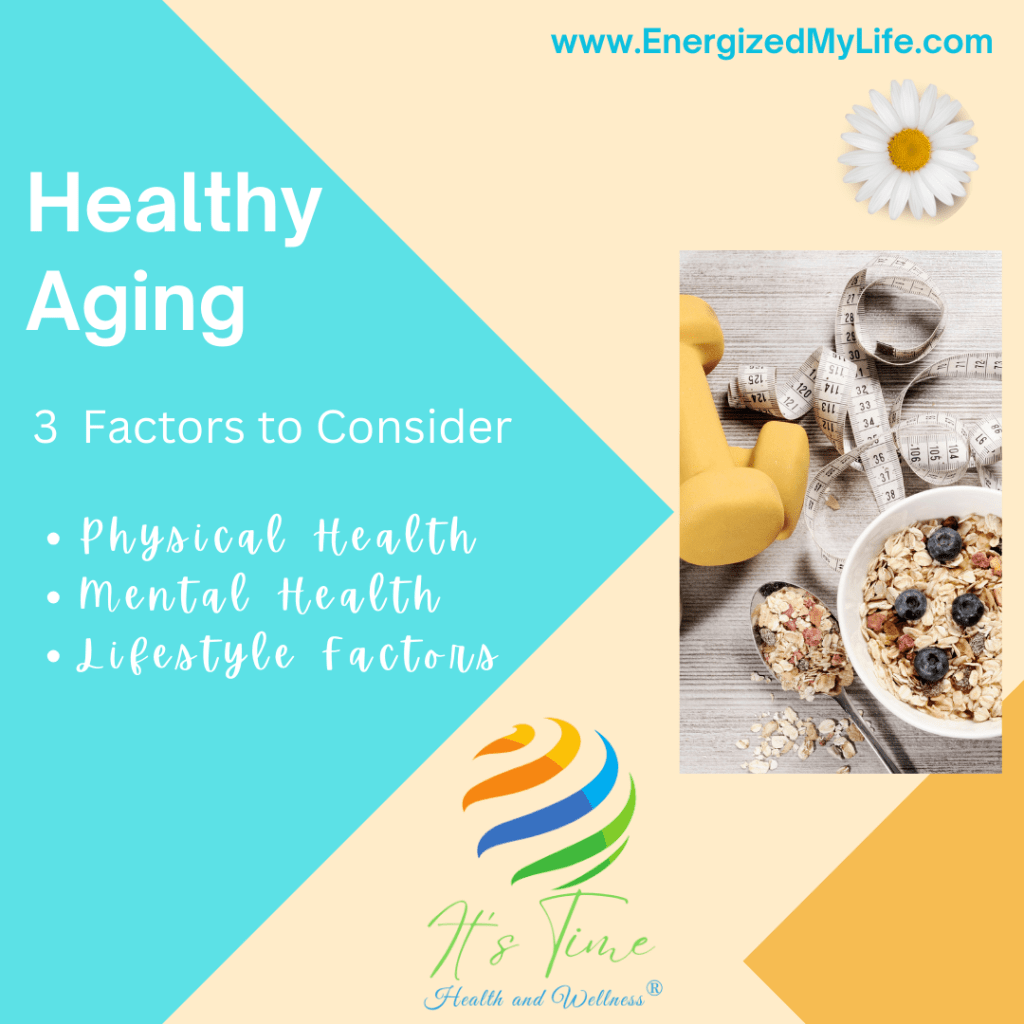
Physical Health
- Exercise regularly: Engage in moderate-intensity aerobic activities, such as walking, jogging, or hiking, to maintain physical function and reduce the risk of chronic diseases.
- Healthy diet: Focus on whole, nutrient-dense foods, including fruits, vegetables, whole grains, lean proteins, and healthy fats. Avoid processed and sugary foods that can accelerate aging.
- Get enough sleep: Aim for 7-9 hours of sleep per night to help regulate hormones and support overall health. Prioritizing high quality sleep to help improve memory recall, regulate metabolism, and reduce mental fatigue.
- Manage stress: Engage in stress-reducing activities, such as meditation or yoga, to minimize the negative effects of chronic stress on the body.
Mental Health
- Social connections: Nurture relationships with family and friends and prioritize social interaction to reduce feelings of loneliness and isolation.
- Mental wellness: Practice stress management, time management, mindfulness, and self-care to maintain good mental health. Try deep breathing exercises, such as inhaling for 5 seconds, holding for 2 seconds, and exhaling for 5 seconds. This will activate the parasympathetic nervous system, promoting relaxation and reducing stress. Prioritizing self-care activities, such as meditation, yoga, or reading, can help reduce stress and improve overall well-being. Use time management to reduce feelings of being overwhelmed.
- Cognitive stimulation: Engage in mentally stimulating activities, such as reading, puzzles, or learning a new skill, to support cognitive function. Focus on activities to improve your memory such as aerobic exercises, pickleball, and any physical activities to increase blood flow to the brain. This serves to reduce inflammation and promoting better sleep.
Lifestyle Factors
- Limit alcohol intake: Consume alcohol in moderation (1-2 drinks per day for men, 1 drink per day for women) to minimize its negative effects on health.
- Protect your skin: Use sunscreen, wear protective clothing, and avoid excessive sun exposure to reduce skin aging.
- Maintain a healthy weight: Achieve and maintain a healthy Body Mass Index (BMI) through a combination of diet and exercise to reduce the risk of chronic diseases.
- Get regular check-ups: See your doctor regularly to monitor your health and address any potential issues early on.
Key Takeaways
- Aging is a natural process, but lifestyle choices can significantly impact its rate and quality.
- Focus on maintaining physical and mental health through regular exercise, healthy eating, sufficient sleep, stress management, and social connections.
- Limit lifestyle factors that can accelerate aging, such as excessive alcohol consumption, poor skin protection, and unhealthy weight management.
- Prioritize regular check-ups with your doctor to monitor your health and address any potential issues early on.
- Remember, learning new information and skills are important to help build cognitive reserve. Cognitive reserve is your mind’s (brain) resistance to damage. Learn a new language, read books, play chess, and so much more.
By adopting these lifestyle choices, you can increase your chances of aging naturally while maintaining a healthy, happy life. We can help you get started on your health journey.
http://www.EnergizedMyLife.com
It’s Time Health and Wellness, a division of Learning Anywhere Anytime, LLC

 Journey to Wellness