

Top 10 Superfoods
Why are superfoods important to our health?
Superfoods are important to our health because they contain high levels of essential nutrients, such as vitamins, minerals, antioxidants, and fiber, which are linked to promoting personal health and wellness, as well as preventing diseases and sickness. Examples of superfoods include berries (especially blueberries), fatty fish, spinach, nuts (like walnuts), olive oil, cruciferous vegetables (broccoli, brussels sprouts), and legumes.
While there is no official definition of a superfood, these nutrient-dense foods can help us get the nutrients we may be missing in our diets. However, it’s also important to maintain variety in our diet to ensure we get a wide array of essential vitamins and minerals and to prevent overconsumption of any particular nutrient.
Here are my criteria.
Must have nutritional and functional health benefits, especially when it comes to improving gut health and boosting immunity. More importantly, eat foods that support brainpower, your heart, healthy weight, steady blood sugar, mood and all of your muscles, organs, bones and more. It is not necessary to eat them daily, but to incorporate them into your weekly meal plan.
- Avocados
- Blueberries
- Brussel Sprouts
- Cranberries
- Kimchi
- Microgreens
- Moringa
- Pistachios
- Salmon
- Yogurt
Avocados
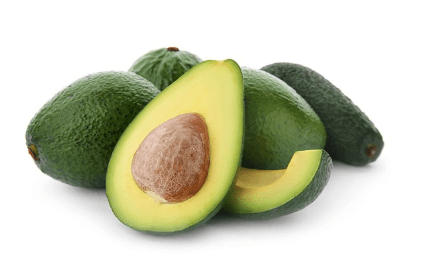
Avocados are loaded with antioxidants and other nutrients that help with cholesterol, bone density, skincare, eye health, and much more. Avocados are not only delicious but also packed with nutrients. They provide essential vitamins and minerals often lacking in modern diets. For instance, they’re a great source of potassium, a mineral critical for blood pressure regulation and nervous system function.
A 7-ounce (201-gram) avocado contains:
- Calories: 322
- Fat: 30 grams (mainly healthy fats)
- Protein: 4 grams
- Carbs: 17 grams
- Fiber: 14 grams
- Vitamin C: 22% of the daily value (DV)
- Vitamin E: 28% of the DV
- Vitamin K: 35% of the DV
- Riboflavin (B2): 20% of the DV
- Niacin (B3): 22% of the DV
- Pantothenic acid (B5): 56% of the DV
- Pyridoxine (B6): 30% of the DV
- Folate: 41% of the DV
- Magnesium: 14% of the DV
- Potassium: 21% of the DV
- Copper: 42% of the DV
- Manganese: 12% of the DV
Blueberries

Blueberries are rich in fiber, high in potassium, vitamins C and A. They contribute to well-regulated glucose delivery to insulin-sensitive tissues and good metabolic function. Fueling your metabolism with fresh fruits like blueberries and vegetables, lean protein and healthy carbohydrates and fats are one of the keys to a healthy metabolism. Blueberries are known for their anti-inflammatory, antioxidant, and great for good vision. They are great for satisfying your sweet tooth while providing fewer calories than many other high sugar snacks or desserts like a cupcake with icing and sprinkles on top. Berries work well in smoothies or as a topping for yogurt or oatmeal. They also make an excellent snack, either on their own or combined with other fruits in a fruit salad.
Brussels sprouts
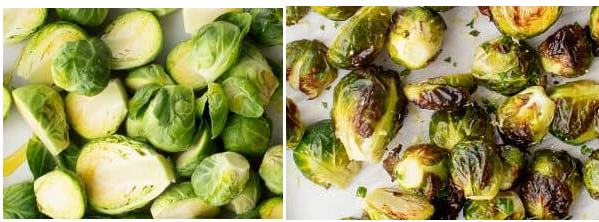
Brussels sprouts are an excellent source of fiber, vitamins, minerals, and antioxidants, making them a nutritious addition to a balanced diet. They are a member of the Brassicaceae family of vegetables and closely related to kale, cauliflower, and mustard greens. One cup of boiled Brussels sprouts provides 56 calories, 4g of protein, 11g of carbohydrates, and 0.8g of fat. Brussels sprouts are also an excellent source of protein, iron, calcium, magnesium, potassium, folate, vitamin K, and vitamin C. They may also possess some health benefits, such as reducing the risk of heart disease and some cancers. Brussels sprouts can be added to pasta dishes, frittatas, or stir-fries for a flavorful and nutritious dinner. However, they are easy to overcook, which can lead to a bitter taste, mushy texture, and a strong, sulfur-like smell.
Try roasting Brussels sprouts with a few yummy addition:
- Slice larger sprouts in half, toss them with olive oil with salt and pepper
- Transfer them to a parchment-lined baking sheet, and arrange them in an even layer with their cut sides facing down
- Add Bacon slices, cut up in smaller pieces
- Add Fresh garlic slices
- Sprinkle thyme lightly
- Squish half a fresh lemon to the whole baking sheet
- Transfer the sheet pan to a 425-degree oven
- Bake for 2o to 30 minutes, until the veggies are tender and golden brown around the edges.
- Enjoy!
Cranberries

Sailors used to eat cranberries to prevent scurvy while at sea. Scurvy is a disease caused by a lack of dietary ascorbic acid (vitamin C), which can debilitate sailors after just a few months at sea without fresh provisions. Cranberries are rich in vitamin C, and consuming them helped sailors maintain their health during long voyages. They also contain dietary fiber, vitamins such as vitamin C, E, and K. Raw cranberries provides about 46 kcal of energy, 12 g of carbohydrates, and 0.5 g of protein(100g serving).
Cranberries are low, creeping shrubs or vines that have small evergreen leaves with dark pink flowers. The fruit is a berry that is initially light green, turning red when ripe. Dried cranberries can be a healthy snack, but check the sugar content if you’re concerned about your sugar intake. When cranberries are dried, they lose most of their vitamins, but they hold on to other nutrients such as potassium and calcium.
Most people can eat or drink cranberries with no issue. But cranberries can be a risk factor for those with kidney stones. Kidney stones are commonly made of calcium oxalate. Cranberries contain high levels of oxalate. Also, those who take blood thinners should limit their consumption of cranberries due to their amount of vitamin K, which can interfere with the medication. If not sure, please talk to your healthcare provider for clarification.
Kimchi

Kimchi is a spicy fermented pickled vegetable. It is associated with Korean cuisine. The prepared vegetables are sliced, seasoned with red pepper, onion, garlic and fermented in brine using a large earthenware jar. Some versions use ginger, dried and salted shrimp, anchovy paste, and oyster sauce as seasonings. It usually takes about one month to ferment, and the kimchi jars are stored underground in cellars of sheds.
Types of vegetables used:
- Cabbage
- Celery
- Chinese turnip
- Cucumber
Health Benefits
Kimchi is considered a probiotic lactic-acid bacteria fermented vegetable food. It is characterized by its sour, sweet, and carbonated tastes. Several research mentioned that kimchi has other health functionality such as anticancer, antioxidative, anti-obesity, antidiabetic, and immune boosting. Recent studies have found that kimchi as part of a regular diet shows a series of positive effects on multiple factors associated with metabolic syndrome, including blood pressure, body fat, blood glucose, and total cholesterol.
However, it is important to try a small amount at first since one study showed certain kimchi sold in Taiwan had high levels of histamine. Histamine is part of the inflammatory response and has a central role in itching. They help your body remove something that is bothering you such as allergy triggers from food allergies to mold and more.
Here’s a simple and great tasting Kimchi recipe from The Kitchn created by Emily Han.
Microgreens
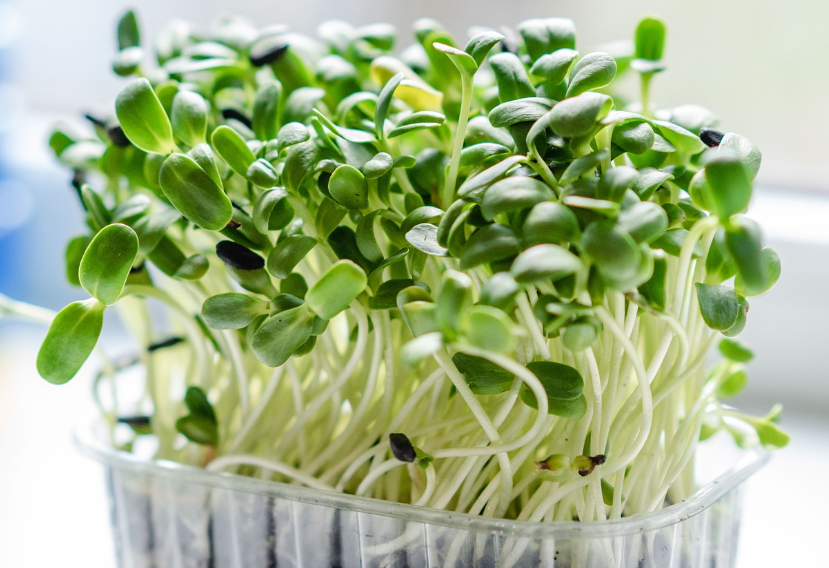
Microgreens are young vegetable greens that are between 1-3 inches in height. They are thought of as baby plants and/or referred to as sprouts. But, in reality sprouts do not have leaves and have a much shorter growing cycle of 2-7 days, while microgreens are usually ready after 7-21 days after germination, where leaves have emerged.
The first time I tasted microgreens was from a bar and grill. It was used to serve these cute shoestring fries (thinly sliced potatoes). The microgreens stood out since it had this vibrant and visually appealing look which essentially became the bed for the fries. The whole creation was drizzled with spicy aioli. When the fries were gone, I tried the microgreens, and they were delicious.
Studies have shown that microgreens contain nutrients such as vitamins C, E, and K. It also has lutein and beta-carotene. This vitamin packed vegetable has intense flavors but might be hard to find. But if you are willing to do some gardening, most microgreens only take about a week or two to grow.
Salad, Garnish, and Smoothies
As a garnish, microgreens can add color to your dishes, increasing the visual appeal. But they are also perfect as part of your salad adding a rich and aromatic vegetable confetti. Try a combination of wheatgrass and broccoli shoots for your smoothies.
Moringa
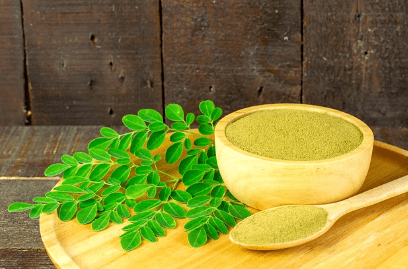
Moringa oleifera, is also known as horseradish tree. The leaves, pods, and seeds are nutritious and used in traditional medicine. The leaves are rich in vitamins, minerals, and essential amino acids. They contain high levels of vitamin A, vitamin C, calcium, potassium, and protein.
Here are some of the nutritional benefits of Moringa oleifera:
- The leaves have about as much potassium as a banana, and about the same amount of vitamin C as an orange. It also has calcium, protein, iron, and amino acids, which help your body heal and build muscle.
- Antioxidant Properties: Moringa leaves are packed with antioxidants, which help protect cells from damage caused by free radicals. These antioxidants include flavonoids, phenolic acids, and ascorbic acid.
- Anti-inflammatory Properties: Moringa has been shown to have anti-inflammatory properties, which may help reduce inflammation in the body. This could potentially help alleviate symptoms of conditions like arthritis and asthma.
- Blood Sugar Control: Some studies suggest that Moringa may help lower blood sugar levels, which could be beneficial for people with diabetes or those at risk of developing the condition.
- Cholesterol Reduction: Moringa has been shown to have cholesterol-lowering properties, which could help reduce the risk of heart disease.
- Antimicrobial Properties: Moringa has antimicrobial properties, which could help fight off infections and promote overall health.
- Neuroprotective Properties: Some research suggests that Moringa may have neuroprotective properties, which could help protect the brain from damage and potentially reduce the risk of neurodegenerative diseases like Alzheimer’s and Parkinson’s.
- Improved Digestion: Moringa is rich in fiber, which can help promote healthy digestion and prevent constipation.
- Immune System Support: Moringa is rich in vitamin C and other antioxidants, which can help support a healthy immune system.
- Anti-Cancer Properties: Some studies have suggested that Moringa may have anti-cancer properties, although more research is needed to confirm these findings.
Note: Even though Moringa sounds amazing, it should not be used as a replacement for medical treatment. Make sure to consult with your healthcare provider when changing your diet when you have a health condition.
Pistachio

Pistachio nuts are nutrient dense, high in fiber, and protein. Pistachios are a physiologically beneficial, tasty, and versatile alternative to many foods, particularly unhealthy snacks. They are a plant-based complete protein providing all nine Essential Amino Acids (EAAs). EAAs are the building blocks of proteins. There are 20 types of amino acids and 9 of them are essential amino acids and can’t be created by our body. This is the reason why it is important to eat a nutritious and balanced meal.
The health benefits of pistachios include:
- High in fiber, which can act as a prebiotic and promote gut health.
- Rich in heart-healthy fats, which can contribute to a healthier heart and reduce the risk of heart diseases.
- A good source of protein, vitamins, and nutrients.
- May aid in weight loss.
- Can help regulate blood glucose levels.
- May fight inflammation.
- Strengthen the body’s immunity against internal and external free radicals.
- Improve digestion.
- Associated with decreased risk of death from cancer, heart disease, and respiratory disease.
However, it is recommended to consume pistachios in moderation. By eating pistachios in moderation, you can enjoy their numerous health benefits, such as their high protein, fiber, and antioxidant content, while minimizing the potential risks associated with overconsumption.
- High in calories – 159 calories per ounce
- Sodium intake – Most are sold salted.
- Allergies – Some who are sensitive to pistachios can have mild symptoms like itching to something severe like anaphylaxis.
- Digestive Issues- Overeating can lead to issues like bloating, gas, and diarrhea due to the high fiber content.
Salmon
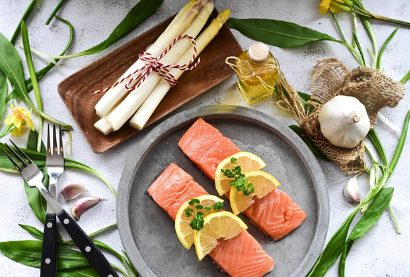
Salmon is a nutrient-rich fish that offers a wide range of health benefits. Packed with high-quality protein, omega-3 fatty acids (1-3.5g per adult serving), and various vitamins and minerals, including potassium, selenium, and vitamin B12, salmon is widely regarded as a superfood. The omega-3 fatty acids found in salmon have been associated with a reduced risk of heart disease, improved brain health, and decreased inflammation in the body. Omega-3 fatty acids are a family of polyunsaturated fatty acids. EPA and DHA are two types of polyunsaturated omega-3s you’ll find in oily fish.
Additionally, the high protein content in salmon can aid in muscle repair and growth, making it a popular choice among athletes and fitness enthusiasts. Moreover, the presence of astaxanthin, a powerful antioxidant, contributes to the fish’s vibrant color and offers potential benefits for skin health. With its impressive nutritional profile, incorporating salmon into a balanced diet can contribute to overall health and well-being.
All species of wild salmon are considered to be excellent sources of vitamin D. Salmon also meets the daily B12 recommendation, 2.4mg for most adults. Research has shown that B12 can help prevent depression and memory problems.
Note: Not every salmon contain the same amount of omega- 3 fatty acids. The contents depends on the season, water temperature, fish diet, stage of life cycle, wild or farmed and the method of cooking.
Yogurt

Yogurt offers several health benefits, including:
- Nutrient-rich: Yogurt contains a variety of essential nutrients, such as calcium, protein, phosphorus, riboflavin, vitamin B12, pantothenic acid, zinc, selenium, and iodine.
- Probiotics: Yogurt is made with live cultures, which contain probiotics that can support digestive health, particularly in the large intestine.
- Bone health: Yogurt is a good source of calcium, protein, potassium, phosphorus, and vitamin D, which are vital for maintaining bone density and may help prevent osteoporosis.
- Digestive health: The probiotics in yogurt may help alleviate symptoms of irritable bowel disease and improve overall digestive health. Some added natural fiber to aid in digestive health.
- Potential protection against certain diseases: There is evidence supporting yogurt consumption for its protective effect on specific diseases, such as type 2 diabetes and obesity.
- Versatile and adaptable: Yogurt can be used in various recipes and can be a nutritious addition to a healthy eating plan.
Remember to choose yogurts with live cultures and minimal added sugars for optimal health benefits. Fruit and yogurt have been identified individually as indicators of healthy dietary patterns. Fruits are relatively low in energy density and are an excellent source of antioxidants and prebiotic fibers and polyphenols, which can promote digestive health.
The recommended daily servings of yogurt for optimal health vary depending on factors such as age, sex, and overall diet. However, most countries recommend the consumption of dairy products, and when amounts are specified, two or three servings per day are typically recommended. For example, a 125-g pot of plain yogurt provides, among other nutrients, 20% of an adult’s recommended daily intake (RDI) of calcium, 21% of vitamin B2, 11% of vitamin B12, and 16% of phosphorus.
The USDA’s MyPlate dietary guidelines recommend that adults include 3 cups of dairy products, such as low-fat or fat-free yogurt, as part of a nutritious daily diet. It’s safe and healthy to eat up to 3 cups of unsweetened nonfat or low-fat yogurt every day. However, be mindful of the sugar content in flavored yogurts, as some may contain more sugar than the daily recommended amount. Your best bet is to choose plain, nonfat yogurt for optimal health benefits.
I hope you enjoyed the article and learned something new to incorporate in your daily life.

 Journey to Wellness